History Chapter VIII
The modern bra
1990 – today
Microfibres, the “battle of the bras”, laboratory research into breast movement, wider size ranges and specialist bras for pregnancy and surgery.
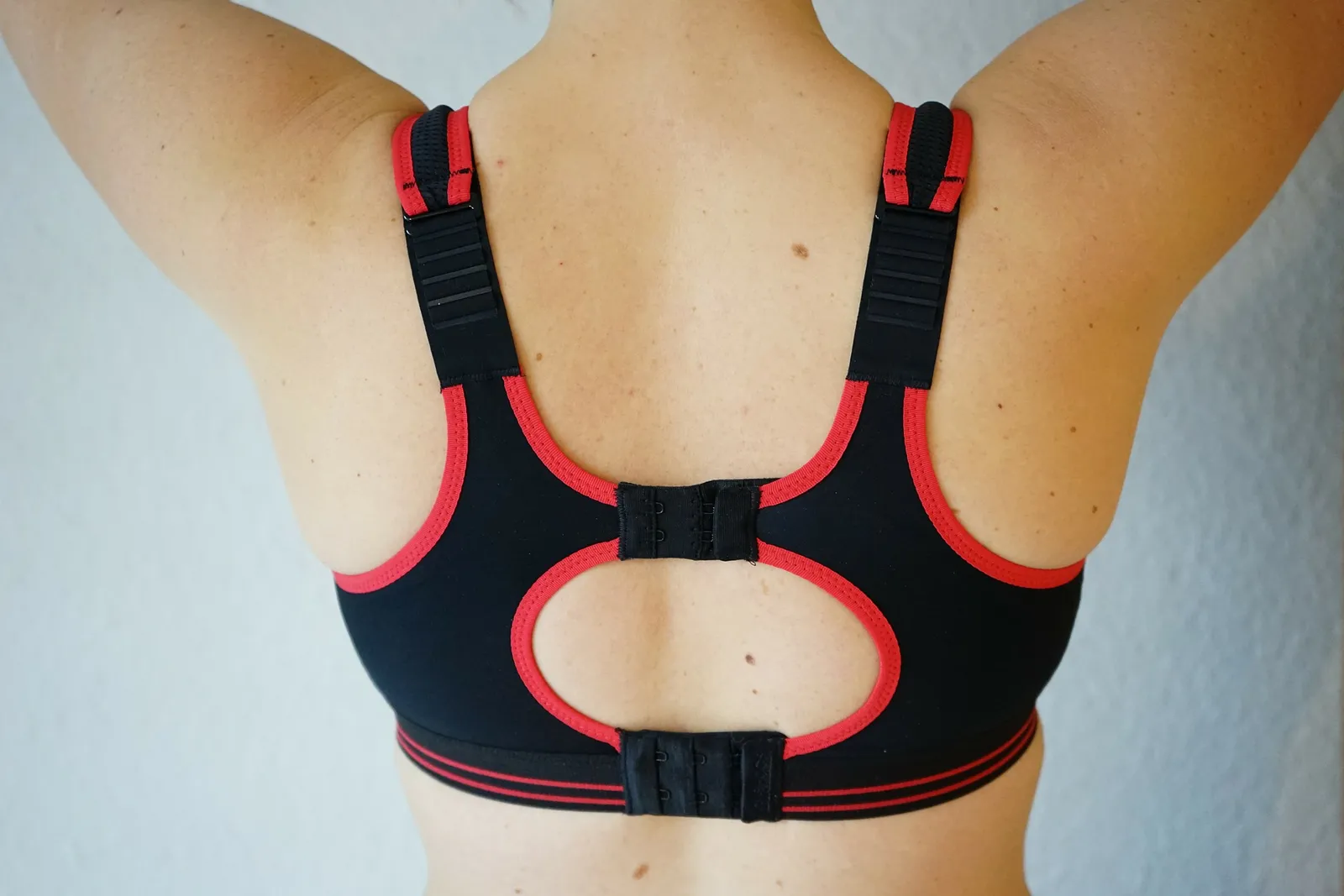
Breathable synthetics
In the 1990s synthetics returned in a new form. Japanese textile companies developed microfibres, and breathable microfibre versions of nylon and viscose — such as DuPont’s Tactel and Courtaulds’ Tencel — were used widely in underwear. Yet, as the Underpinnings Museum observes, there have been relatively few completely new features in bras since the late 1970s; most progress has come from better fabrics, pattern cutting and design.
The battle of the bras
The Sara Lee Corporation acquired Canadelle and the rights to the Wonderbra name in 1991. When Gossard’s UK licence expired in 1994, Sara Lee did not renew it, and launched the Wonderbra in Britain under its Playtex division. Gossard answered with a very similar push-up plunge, the Ultrabra. Both brands launched their advertising in February 1994; the trade paper Drapers Record reported that lingerie sales that February rose by 370 per cent on the previous month.
The science of support
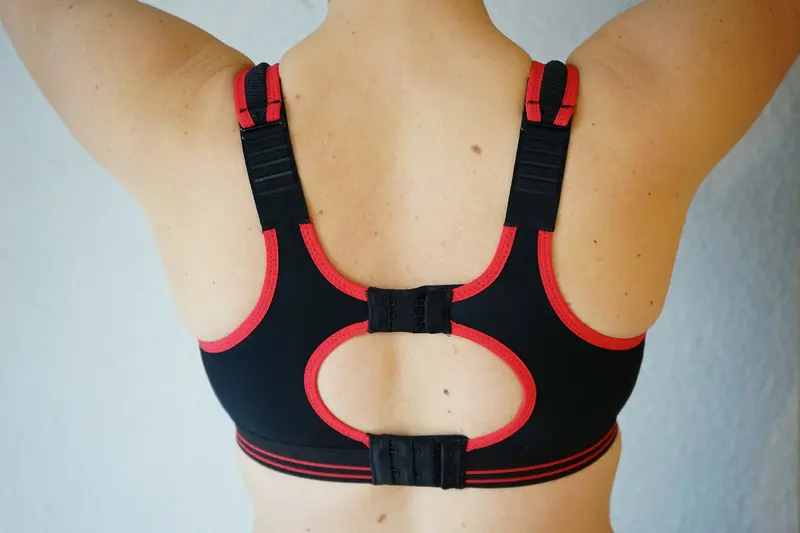
Bra design is now studied in laboratories. The University of Portsmouth’s Research Group in Breast Health measures breast movement during running, jumping and other activities, and works with lingerie and sportswear makers and with Britain’s top athletes. It has found that when women run in inadequate support they report that exercise feels harder, their upper-body muscles work harder, ground reaction forces rise and their stride shortens by about 4 cm.
Surveys by the same group show why it matters: in a study of 2,089 UK schoolgirls, 46% said their breasts affected their participation in compulsory sport, and more than half never wore a sports bra for it.
A wider choice
Today’s shops sort bras by style — full cup, balconette, plunge, half cup, T-shirt, non-wired, strapless, front-fastening, bralettes, sports, nursing, maternity, post-surgery and sleep bras — and by much longer size ranges than the A-to-D of the 1930s. Some long-running designs survive alongside the new: Triumph describes its non-wired Doreen as its best-selling wireless bra for over 40 years, and Royce lists nursing bras up to an L cup.
Specialist bras
Bras for after breast surgery are a field of their own. Breast Cancer Now advises soft, non-wired bras with full cups and wide straps while you heal, explains that pocketed bras can hold a prosthesis, and points out that you do not have to pay VAT on post-surgery bras if you have had surgery for breast cancer.
The story that began with a band of cloth in a Roman mosaic has not finished. Each generation finds new ways to answer the same question — and the best answer is still the one that fits.