History Chapter VII
Freedom, stretch and sport
1959 – 1989
Lycra made bras stretch, the push-up plunge arrived, a protest was misreported, and three women in Vermont sewed two jockstraps together.
The word was “freedom”
Heavily structured 1950s bras, full of wires and bones, could dig in over a long day. In the late 1950s and 1960s, popular brands such as Peter Pan and Berlei put the word freedom into their product names and slogans. The 1960s also saw the rise of a teenage market in Britain and the US, buying inexpensive synthetic fashions in bright prints.
Lycra
DuPont announced its stretch fibre Lycra in 1959. According to the Underpinnings Museum, by the 1960s most bras were made from a combination of nylon and Lycra, and adverts showed models stretching their straps to prove it. Stretch wings, elastication throughout and adjustable stretch straps — features still used today — date from this period.
Push-up and plunge
In Canada, the lingerie maker Canadelle had registered the Wonderbra trademark in the United States in 1955. In 1963 the brand introduced Canada’s first push-up bra, the “Dream Lift”, style number 1300, which stayed on sale with few changes for many years. In 1968 Canadelle licensed the Wonderbra in the UK to Courtaulds, whose subsidiary Gossard made and sold it for more than two decades.
The bras that weren’t burned
On 7 September 1968, the group New York Radical Women protested against the Miss America pageant in Atlantic City. Demonstrators threw bras, girdles, curlers, false eyelashes and magazines into a “Freedom Trash Can”. They intended to set it alight but were not allowed to light a fire on the boardwalk. As HISTORY.com explains, the “bra burners” label came later, from a newspaper report — no bras were burned.
Softer lines
Fashion in the 1970s favoured soft, flowing lines and, for some, no bra at all. Bras followed: soft knitted tricot fabrics, seam-free cups and moulded cups made from a single piece of fabric that could support without showing through clothes.
The sports bra
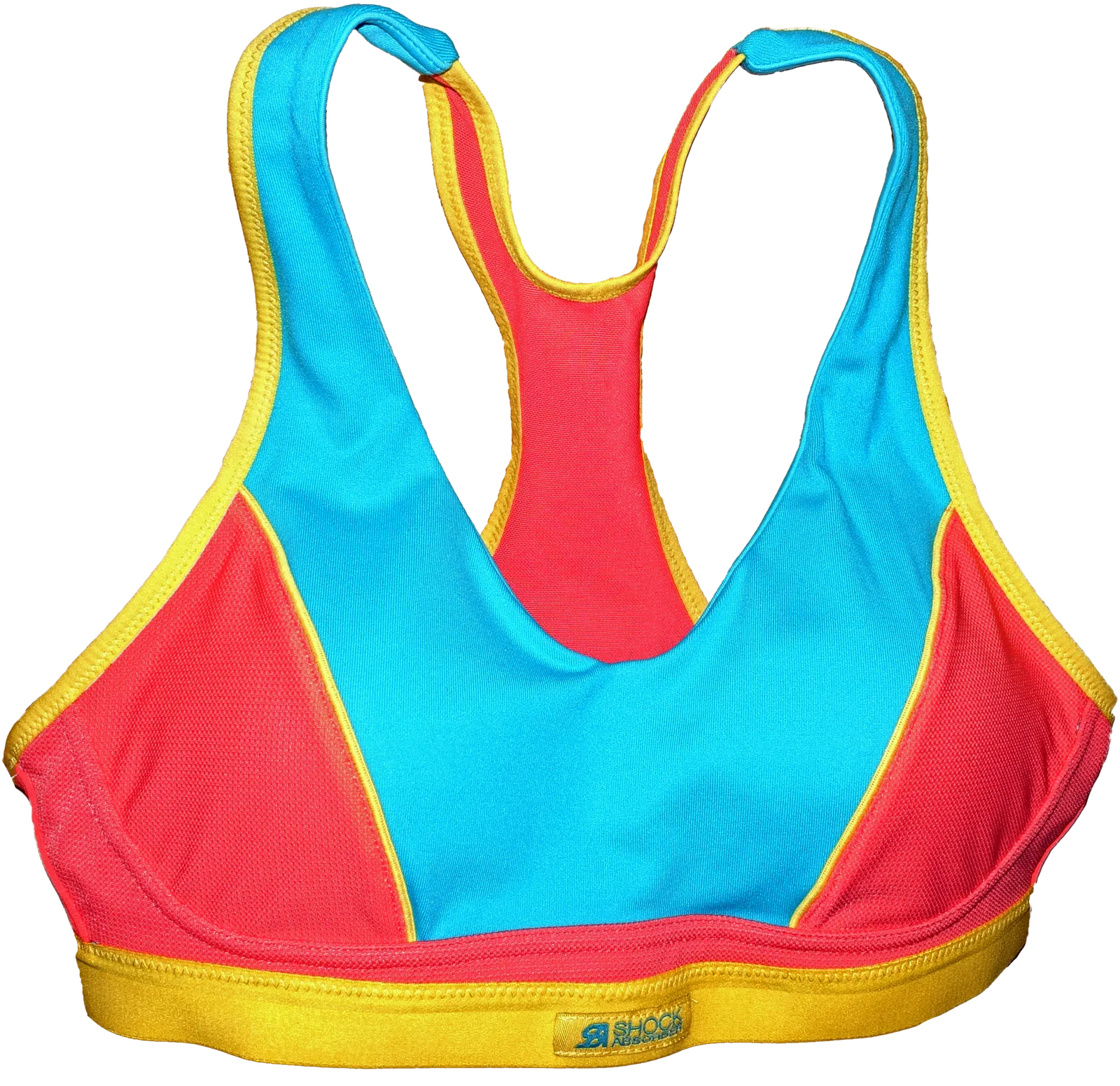
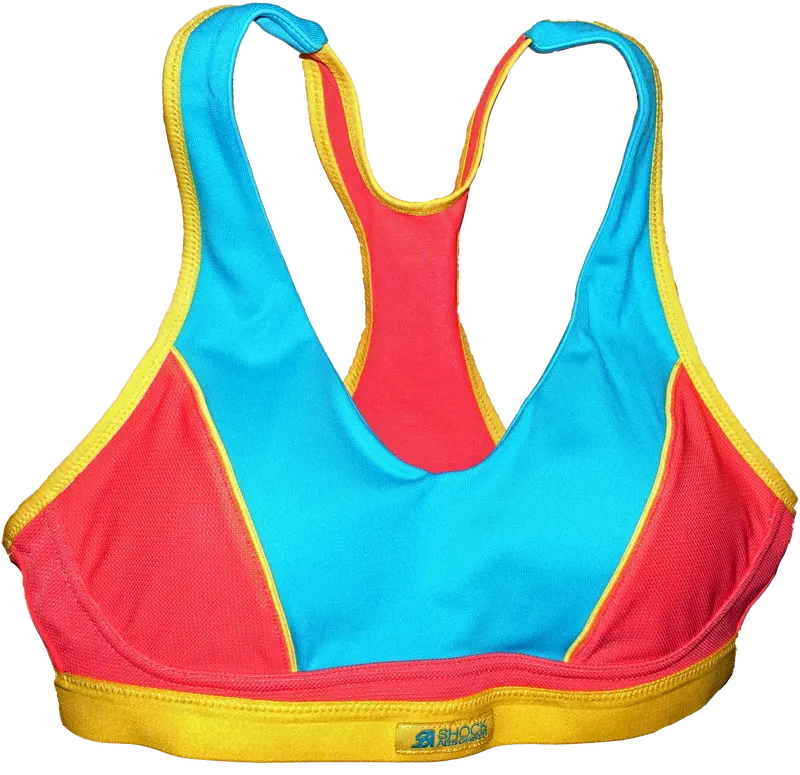
When Lisa Lindahl began jogging in the early 1970s, she found her everyday bra inadequate. The Smithsonian’s notes on the Jogbra list the problems runners faced: straps slipping off the shoulder, hooks poking into the skin, chafing, and bouncing that caused soreness. In 1977, with her childhood friend Polly Palmer Smith, a costume designer, she sewed two jockstraps together to make a “jock bra”. Hinda Schreiber (later Hinda Miller), who had worked with Smith at the Champlain Shakespeare Festival at the University of Vermont, joined them, and the product was renamed the Jogbra.
US patent 4,174,717 for an “athletic brassiere” was issued to the three inventors on 20 November 1979. The patent describes a garment with no hardware and its seams on the outside, to avoid chafing. The Smithsonian notes that the Metropolitan Museum of Art holds a 1979 Jogbra, and that companies including Vanity Fair, Olga and Warner soon entered the sports bra market.
After surgery
Ruth Handler, who created the Barbie doll, was diagnosed with breast cancer in 1970 and had a mastectomy. After being forced out of Mattel in 1975 — and after the humiliation she felt trying to restore her appearance following surgery — she founded a new company, Ruthton, and made a more realistic prosthesis called Nearly Me, personally fitting customers — including former First Lady Betty Ford — and campaigning for early detection when the subject was still taboo.
Natural fibres return
By the late 1970s, the Underpinnings Museum says, synthetic fibres had an image problem, and in the early 1980s cotton and linen came back as luxury fibres. Lycra survived with a big relaunch, and advertisers began to sell women a whole wardrobe of bras for different occasions and activities rather than one perfect bra.