How to wash and care for your bras
Simple habits that keep wires straight, elastic springy and moulded cups in shape — from washing to storage.
Updated 3 October 2026
A well-fitting bra is worth looking after. Heat, harsh washing and careless storage are the usual enemies: they break down elastic, bend wires and crush moulded cups.
Start with the label
Care advice varies. Freya, for example, recommends hand-washing only for its moulded bras, while the care label on Triumph’s non-wired Doreen allows a 60°C wash but says not to tumble dry. Always follow the label on your own bra.
Washing by hand
The specialist retailer Bravissimo recommends this routine:
- Spot-clean any marks with a delicates detergent, paying attention to the band and underarm area.
- Soak in cool water with a delicates detergent for a few minutes, gently squeezing the soapy water through.
- Rinse thoroughly in cool, clean water.
- Gently squeeze out the water — never wring, which damages fabric and bends underwires.
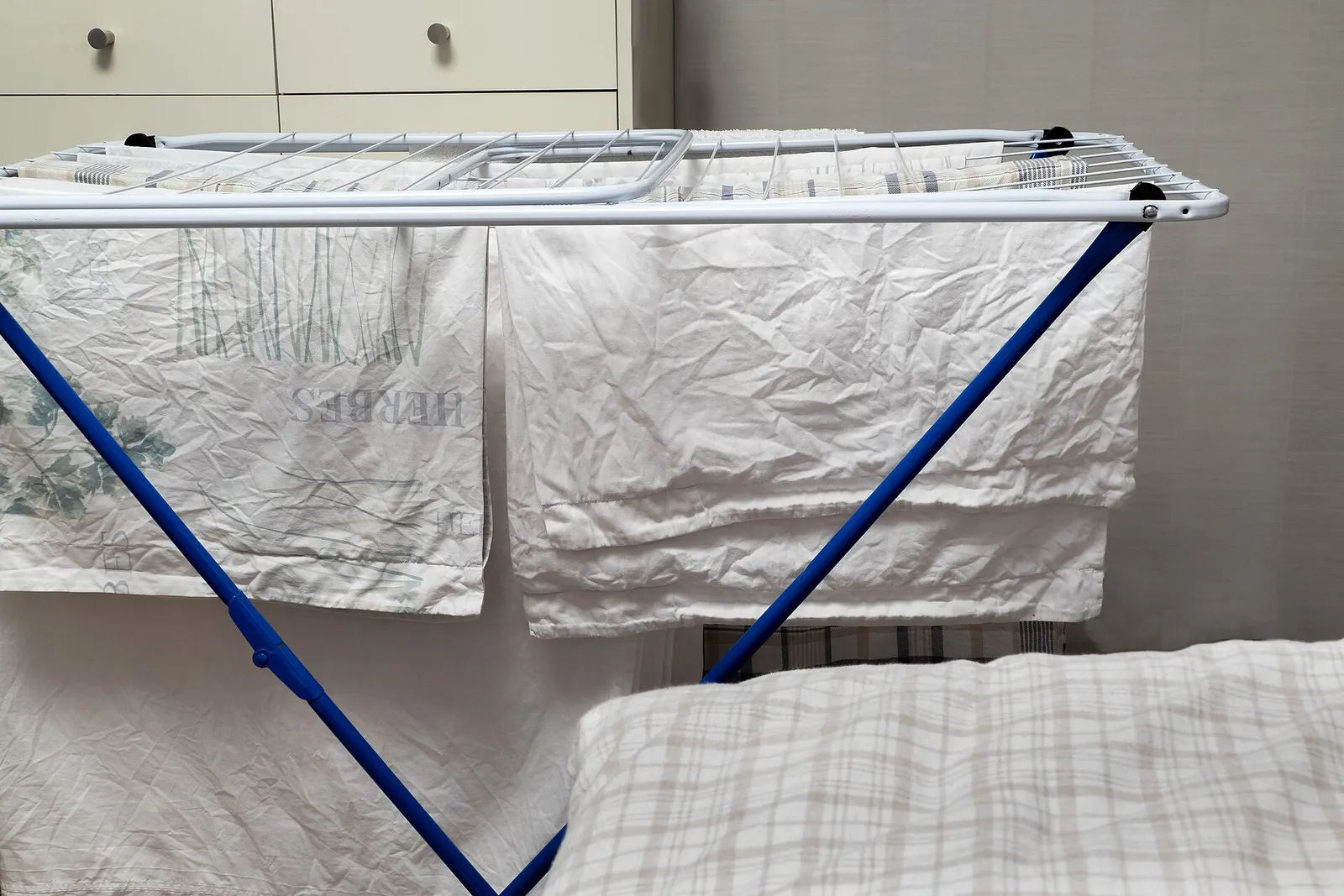
- Hang to dry or lay flat on a clean towel, away from direct heat such as radiators or strong sun.
If the label allows a machine
Some non-wired bras can go in the machine. Fasten the hooks so they don’t snag, use a mesh laundry bag, and choose a cool delicates cycle. Avoid the tumble dryer: heat breaks down elastic and can damage the tips of underwires, letting them poke through the fabric.
How often?
There is no fixed rule. Bravissimo suggests every one to two weeks as a general guide, depending on how warm it is, how much you sweat and how many bras you rotate. Hand-washed bras can take a day or two to dry, so having a few to rotate helps.
Storing bras
Store bras flat with the hooks fastened, and nest moulded cups inside one another, facing the same way, so they keep their shape. Try not to fold them; if drawer space is short, hang them up instead.
A little history
Laundry used to be hard work: before synthetic fibres, underwear was often boil-washed and scrubbed. When nylon underwear arrived, manufacturers such as Triumph included care booklets explaining that there was no need for boil-washing or hours of drying.